What should a small business automate first with AI?
Choose one repeated, fact-based, reversible job with a responsible human reviewer and a result you can observe in 30 days. Choose the model after the work is defined.
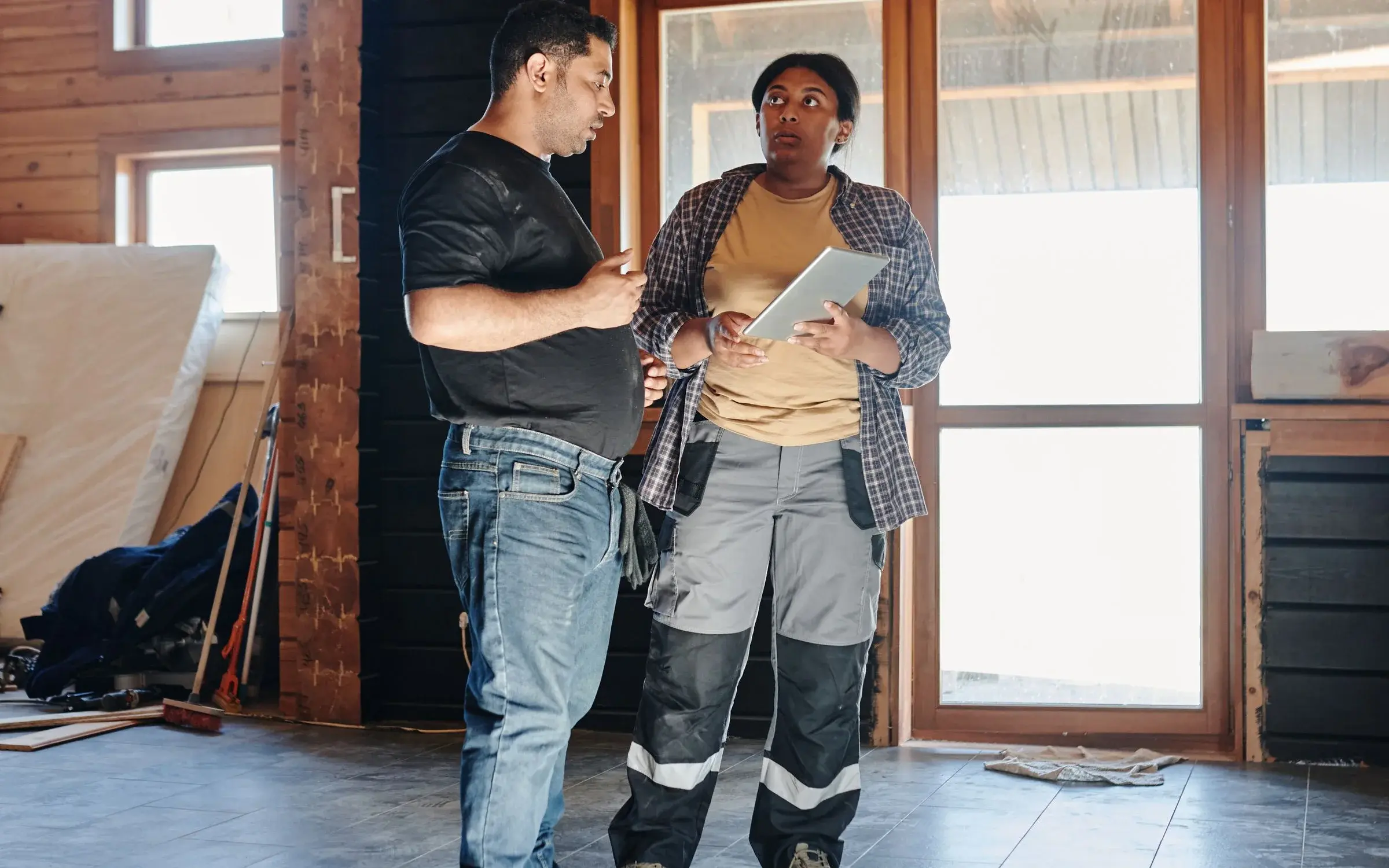
Representative stock photography. The guide was prepared from Tony Beal's operating model with AI-assisted editorial and implementation support.
The quick answer
Start where work is repeated, facts are known, and a person can catch a mistake.
The best first AI workflow is rarely the flashiest. It is usually a small piece of work that happens often, slows somebody down, follows known rules, and can produce a draft or recommendation before anything consequential occurs.
Do not begin with “Where can we use AI?” Begin with “Which repeated delay or quality problem costs us attention every week?” That question keeps the business outcome in front of the technology.
A strong first job
Prepare the next safe action from approved facts, then let a responsible person review it. The model assists; the business keeps authority.
FieldKnown screening method
The five-part first-workflow test.
Score each item from zero to two. A total of eight to ten is a reasonable candidate for a controlled evaluation. Five to seven needs redesign. Below five should stay manual for now. This is a practical screening method, not a universal industry standard.
It repeats often enough to matter
Choose work that appears every week, not a rare exception. Repetition creates enough examples to test and enough friction to justify fixing it.
The approved facts already exist
A person can point to the policies, examples, customer details, or operating rules the workflow should use. AI should not invent the source of truth.
A mistake is visible and reversible
The first workflow should produce a draft, summary, classification, or recommendation that a responsible person can inspect before it affects a customer.
One person owns the decision
Name who reviews the output, handles exceptions, approves changes, and turns the workflow off if its behavior becomes unreliable.
The result can be observed within 30 days
Track a practical signal such as response time, missing-information rate, corrections required, stalled work, or operator time. Do not substitute projected revenue for evidence.
Examples across industries
Start with preparation and routing, not autonomous promises.
Roofing or home services
GOOD FIRST STEP
Summarize a missed inquiry, identify missing details, and draft the next approved question.
HUMAN CONTROL
The owner or office manager confirms consent, edits the draft, and decides whether to contact the lead.
Professional services
GOOD FIRST STEP
Check an intake packet for missing facts and prepare a concise internal handoff.
HUMAN CONTROL
A qualified professional handles advice, commitments, sensitive information, and the final client response.
Manager or operations team
GOOD FIRST STEP
Turn an experienced manager's rules into a short reply draft, one next action, and an escalation flag.
HUMAN CONTROL
The manager owns judgment, policy interpretation, employee decisions, and stakeholder commitments.
Retail, automotive, or hospitality
GOOD FIRST STEP
Classify incoming requests and prepare the right routing note for the responsible team member.
HUMAN CONTROL
A person confirms priority, availability, pricing, refunds, and any promise made to the customer.
Provider-neutral evaluation
OpenAI or Anthropic comes second.
Once the job is defined, test the same redacted cases and the same expected output against each approved provider. Score factual accuracy, missing information, instruction following, appropriate escalation, concision, latency, and expected cost.
Select the path that passes the business's own test, security requirements, data rules, budget, and account-ownership standard. If neither passes, keep the task manual. The FieldKnown public site does not currently make production OpenAI or Anthropic API calls.
See the complete AI business systems standardA controlled first month
Four weeks from bottleneck to evidence.
Week 1
Map the work
Collect ten to twenty redacted examples, the approved facts, the current failure, and the responsible owner.
Week 2
Build the controlled version
Use synthetic or redacted inputs. Define a structured output, stop rules, and a non-AI fallback.
Week 3
Review every result
Score accuracy, missing facts, unnecessary explanation, escalation behavior, corrections, speed, and expected cost.
Week 4
Run a bounded pilot
Use the workflow on a small approved sample, compare it with the current process, and decide to improve, pause, or stop.
Do not automate these first
Keep consequential judgment with a qualified person.
Whether legal consent exists or a person may be contacted
Final pricing, discounts, refunds, financing, payments, or contract commitments
Complaints, legal threats, safety emergencies, insurance interpretations, or sensitive advice
Hiring, discipline, termination, or another consequential employee decision
Unreviewed outbound email, text, social posts, or customer promises
Work involving sensitive data before access, retention, redaction, and incident rules are approved
Sources and method
Clear about who, how, and why.
This guide is based on Tony Beal's stated operating model for owner-led businesses: define one job, use approved facts, keep a responsible reviewer, test with redacted examples, and automate only after measured acceptance. Codex assisted with editorial structure and site implementation. No customer result, provider performance, or business outcome was invented.
Straight answers
Should a small business start with a chatbot?
Usually not by default. Start with the operating problem and the approved next action. A chatbot is useful only when conversation is truly the right interface and its facts, permissions, escalation, and failure behavior are controlled.
Should we choose OpenAI or Anthropic first?
Choose the workflow and evaluation before the provider. Test the same redacted examples, output contract, and pass rules against each approved option. The provider is selected from evidence, data requirements, operating cost, and account ownership, not brand preference.
How much data do we need?
A first controlled evaluation can often begin with ten to twenty representative, redacted cases. That is enough to expose unclear rules and obvious failure patterns, but it is not proof that the workflow is ready for unattended automation.
Does this guarantee savings or growth?
No. The method creates a measurable pilot and a clear stop decision. It does not guarantee time savings, leads, jobs, revenue, rankings, or a successful AI implementation.